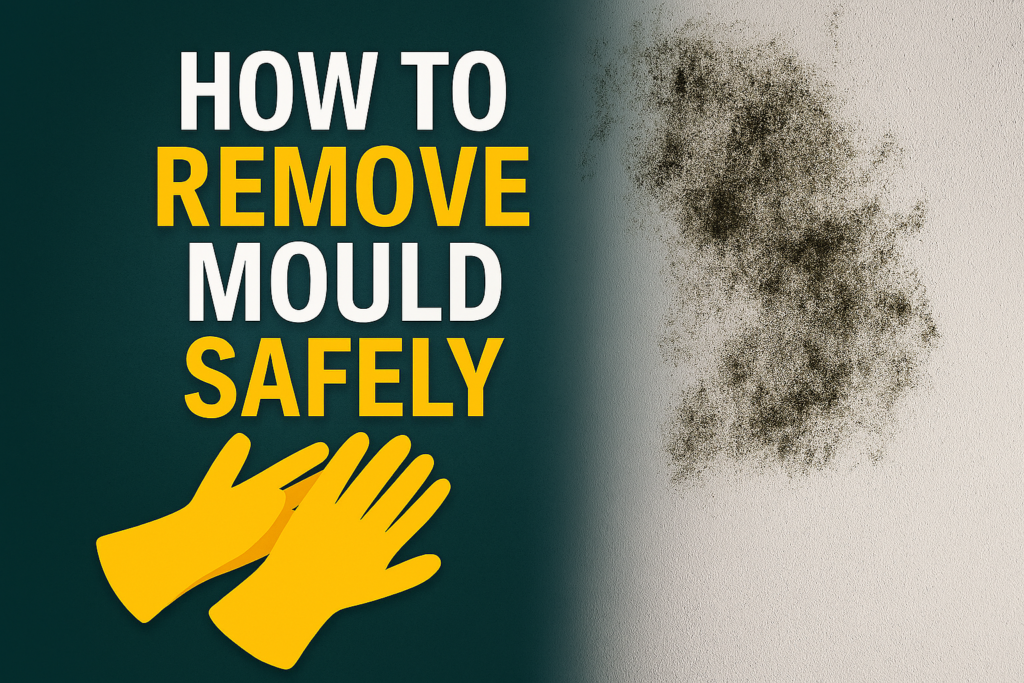
Mould is one of the most common household problems in the UK, especially in homes with poor ventilation, high humidity, or cold exterior walls. While small patches of mould can usually be cleaned safely at home, it’s important to approach the job properly. Done right, you can eliminate mould quickly and prevent it from returning. Done poorly, you risk spreading spores, damaging surfaces, or making the problem worse.
This guide explains why safe mould removal matters, and walks you through a simple, effective step‑by‑step process using products commonly available on Amazon.
Why Safe Mould Removal Matters
1. Mould spreads quickly
Mould thrives in damp, humid environments. Once it takes hold, it can spread across walls, ceilings, grout lines, window frames, and even soft furnishings. The longer it’s left untreated, the harder it becomes to remove.
2. It can damage your home
Mould can stain surfaces, break down paint, weaken plaster, and cause persistent damp smells. In bathrooms and kitchens, it often attacks silicone sealant, leaving black streaks that are difficult to restore without replacing the seal.
3. It indicates a moisture problem
Mould is a symptom, not the cause. If you don’t address the underlying moisture — condensation, poor ventilation, or leaks — it will return. Safe removal is the first step; prevention keeps it away.
4. Cleaning mould incorrectly can make it worse
Scrubbing dry mould, using the wrong products, or disturbing spores can spread the problem to other areas. A controlled, step‑by‑step approach is essential.
How to Remove Mould Safely: Step‑by‑Step
Below is a practical, easy‑to-follow method suitable for small household mould patches on tiles, grout, walls, windows, and bathroom surfaces.
Step 1: Prepare the Area
Before you start, open windows or turn on an extractor fan to improve airflow. Good ventilation helps reduce moisture and prevents fumes from lingering when using cleaning products.
Useful products to have on hand:
- Protective gloves
- Non‑scratch cleaning sponges
- Microfibre cloths
- A mould‑removal spray or foam
These are widely available on Amazon and ideal for safe, controlled cleaning.
Step 2: Choose the Right Mould Removal Product
Different surfaces benefit from different product types. Here are the most effective options:
Foam Mould Removers (Great for Vertical Surfaces)
Foam clings to tiles, grout, and silicone, allowing the active ingredients to work longer without dripping. Ideal for bathrooms and kitchens.
Spray Mould Removers (Best for Larger Areas)
Liquid sprays cover wide surfaces quickly and work well on walls, ceilings, and window frames.
Gel Mould Removers (Perfect for Targeted Cleaning)
Gels are excellent for stubborn mould on washing machine seals, window sills, and tight corners.
These product types are all available on Amazon and are among the most popular mould‑removal solutions used in UK homes.
Step 3: Apply the Product and Let It Work
Follow the instructions on your chosen cleaner. Most mould removers require:
- Spraying or applying the foam/gel directly onto the affected area
- Leaving it to sit for 10–30 minutes
- Avoiding scrubbing while the product is working
Letting the product dwell is crucial — it allows the formula to break down mould stains and lift them from the surface.
Step 4: Wipe Away the Mould
Once the product has had time to work:
- Use a non‑scratch sponge or microfibre cloth
- Gently wipe away the mould and residue
- Rinse the area with clean water
- Dry thoroughly with a fresh cloth
Drying is essential. Any leftover moisture can encourage mould to return.
Step 5: Treat Stubborn Areas
If mould remains, apply a second treatment. Some surfaces — especially silicone sealant or deeply stained grout — may need two or three applications.
For very stubborn mould on silicone, a gel‑based remover is often the most effective option because it stays in place longer.
Step 6: Prevent Mould from Returning
Once the mould is gone, focus on reducing moisture. This is where prevention products shine.
Moisture Absorbers (Great for Bedrooms, Wardrobes & Living Areas)
These passive dehumidifiers pull moisture from the air and help prevent condensation. They’re ideal for wardrobes, window sills, and small rooms.
Hanging Dehumidifier Bags (Perfect for Wardrobes & Cupboards)
These are extremely popular on Amazon and help stop clothes from developing musty smells.
Bathroom Moisture Traps
Useful for shower rooms, ensuites, and areas with poor ventilation.
Anti‑Mould Sprays & Sealant Protectors
These create a protective barrier on tiles and grout, helping prevent mould regrowth.
Using a combination of moisture control and preventative treatments dramatically reduces the chance of mould returning.
Final Thoughts
Removing mould safely doesn’t need to be complicated. With the right products and a simple step‑by‑step approach, you can restore your home quickly and prevent future outbreaks. Start by treating the mould with a suitable remover, clean the area thoroughly, and then tackle the underlying moisture with absorbers, dehumidifier bags, or ventilation improvements.
This balanced approach — clean, dry, prevent — is the most effective long‑term solution for keeping your home mould‑free.